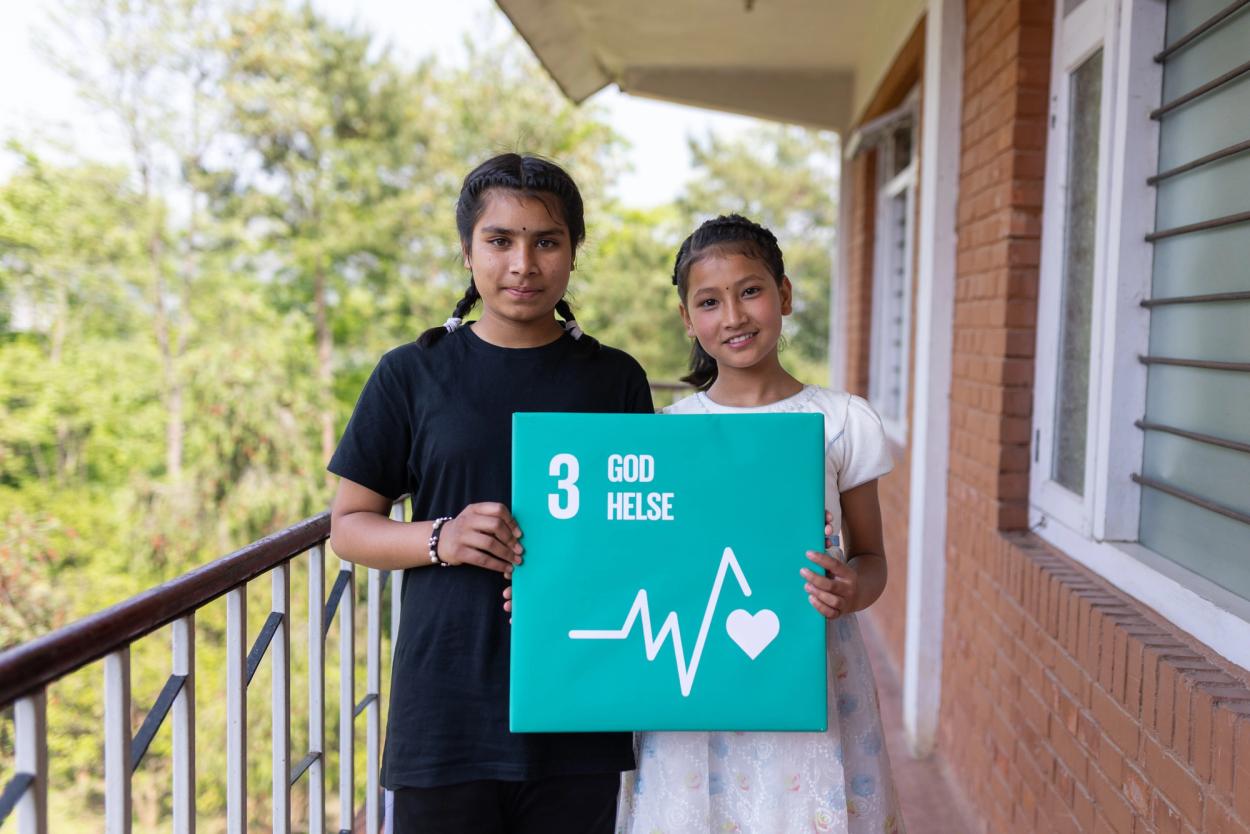
Children in Nepal often carry mental health burdens alone
– Children experiencing mental health difficulties in Nepal often carry the burden alone
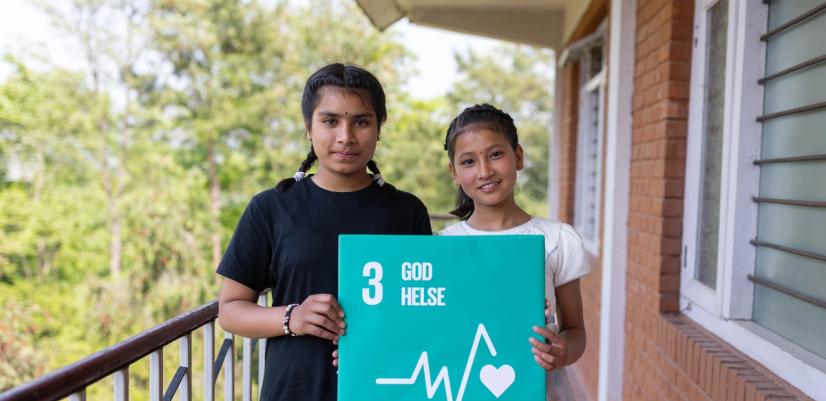
Good mental health
FORUT/Øyvind Strand Endal
That is according to FORUT’s Secretary General, Ida Oleanna Hagen. The Norwegian development organisation is receiving NOK 4.2 million in support from Kavli Trust. The funding goes to a project aimed at ensuring that children and young people in Nepal’s most vulnerable and geographically challenging areas receive early and dignified mental healthcare.
Pioneering work
The project builds on a multi-year collaboration between FORUT and the child rights organisation Child Workers in Nepal. The collaboration has previously led to the establishment of Nepal’s first child and adolescent psychiatric clinics, as well as helplines for children and young people.
The experience from this work will now be transferred and further developed at community level in the two provinces of Lumbini and Sudurpaschim. The aim is to strengthen the mental health of children and young people by establishing local structures that ensure mental health services are available both in primary healthcare and in schools. In addition, protective measures such as helplines and care homes will be strengthened, ensuring that children and young people receive the necessary support and protection.
– This project is about more than treatment. It is about creating safer environments for growing up and more resilient communities, where children and young people are seen, heard and supported, says FORUT’s Secretary General, Ida Oleanna Hagen.
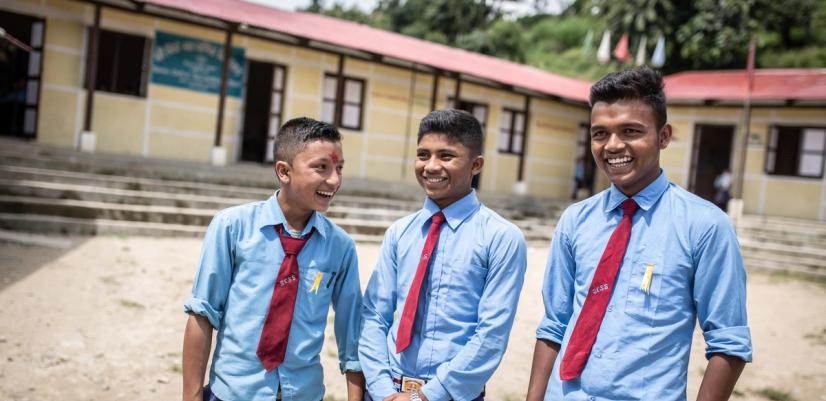
Collaboration with schools
FORUT/Øyvind S. Endal
Aims to reduce stigma
People living with mental health conditions in these areas often face stigma and exclusion from families and communities, making them particularly vulnerable in an already difficult daily life. The project will therefore contribute to capacity building and local attitude change.
Among the main measures in the three-year project are collaboration with local schools and health services on training teachers and healthcare workers in social and emotional learning. Parents and families will be offered dedicated courses in positive parenting, and through awareness-raising activities and campaigns, the project will promote openness and make mental health a more natural topic in the community.
Another key focus is strengthening child clubs, youth networks and local organisations so that they can lead important grassroots and advocacy work.
– Mental health care for children is currently both inaccessible and under-prioritised, particularly in vulnerable and hard-to-reach areas. When we provide knowledge to parents, teachers, school nurses, and not least to children and young people themselves, we build local health systems that help break cycles of exclusion, stigma and insecurity, Hagen says.
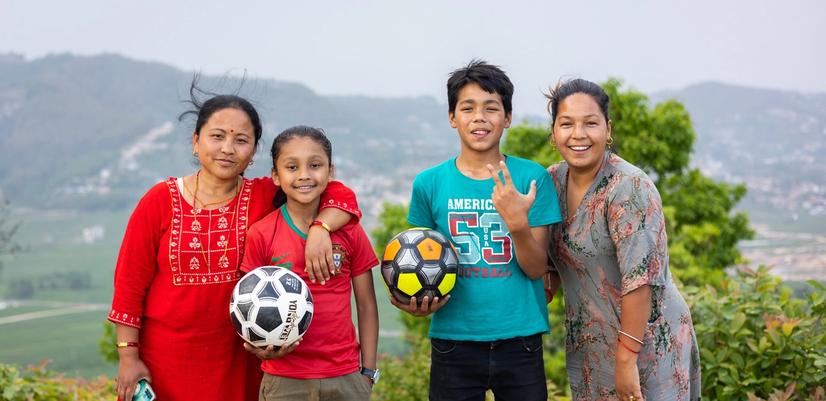
Positive parenting
FORUT/Øyvind Strand Endal
Learning for communities and international relevance
The project is based on the World Health Organization’s (WHO) task-sharing model for countries with limited access to healthcare services. To achieve better coverage of mental health services, multiple actors must contribute, and civil society plays a crucial role. FORUT and CWIN help establish decentralised services that can identify poor mental health at an early stage, as well as integrate psychological and social support into schools and other local organisations.
– In this way, we strengthen the health system and prevent poor mental health at the same time, Hagen emphasises.
– Kavli Trust is pleased to contribute to an ambitious project that addresses cultural stigma and promotes openness, resilience and inclusion in families and communities. With a combination of system building, local participation and knowledge development, the work can create safer frameworks and a better future for children and young people in some of Nepal’s most vulnerable areas, says Chief Executive of Kavli Trust, Ingrid Paasche.
Paasche highlights that the experience from the project may also have international relevance:
– The work will generate new learning and experience that can be shared across Kavli Trust’s international mental health initiatives, while FORUT’s knowledge sharing can make the experience accessible and transferable to other projects, organisations and low-income countries.
Project facts:
- Kavli Trust has awarded NOK 4.2 million to FORUT’s three-year project (2026–2028) on mental health in Nepal.
- The project aims to strengthen and decentralise mental health services for children and young people in the vulnerable provinces of Lumbini and Sudurpaschim.
- Through its collaboration with CWIN, FORUT has previously been a pioneer in establishing Nepal’s first child and adolescent psychiatric services and helplines.
- The project builds on this work and will establish local structures that make mental health services available both in primary healthcare and in schools. It will also strengthen protective measures such as helplines and care homes.
- Main activities include training teachers and healthcare workers in social and emotional learning, parenting support courses, and awareness-raising to reduce stigma and promote openness.
- The project also strengthens child clubs, youth networks and local organisations so they can lead grassroots and advocacy work. Together, the measures aim to strengthen local support systems and improve quality of life for children and families.
- FORUT will develop a manual for implementing the WHO task-sharing model in low-income countries, so that the experience and methods can be used and adapted in other projects and countries internationally.
- FORUT is a Norwegian development organisation established in 1981, headquartered in Gjøvik. The organisation works to ensure children and young people grow up safe, drug-free and with good mental health, and has partnerships with 17 organisations in nine countries.