Renewing support for trauma treatment for children affected by warg
Renewing support for trauma treatment for children affected by war
More than 473 million children worldwide live in areas affected by conflict, and millions more are affected by disasters such as earthquakes and floods. Most of those who need mental health support never receive it. Kavli Trust is now giving NOK 2 million to Children and War Foundation, which trains local helpers in Nepal, Ethiopia, Palestine and Sudan to provide that help themselves.
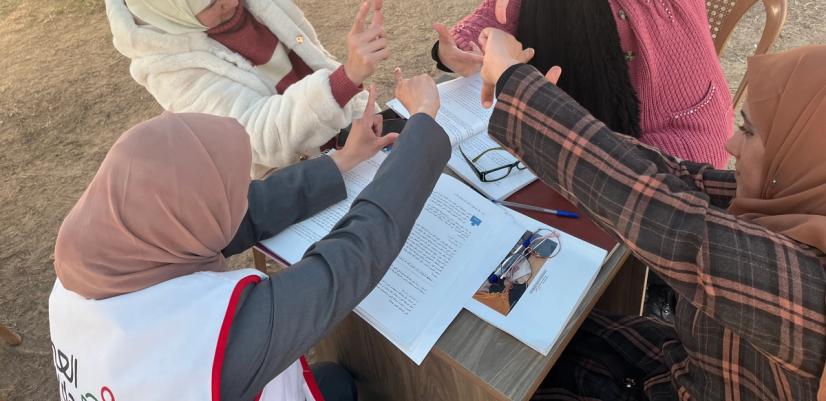
Children and War Foundation
War and disaster leave deep marks on children. Nightmares, fear and sadness are common reactions, but in prolonged and complex crises, the psychological strain can become so severe that children lose the ability to concentrate and learn. In low- and middle-income countries, an estimated eight in ten children who need mental health care never receive it. There are too few specialists, and they are rarely based where the need is greatest.
Children and War Foundation (CAW) was founded in Bergen in 2000 by psychologists William Yule, Atle Dyregrov and Magne Raundalen, with a solution to exactly this gap: methods simple enough for local helpers without psychology training to use, once they have received training and supervision. Teaching Recovery Techniques, or TRT, is the most widely used of these, and has helped children after war and disasters in a range of countries.
“War and disaster are among the most traumatic experiences a child can go through. When CAW trains local helpers to use well-documented methods, the help reaches far more children than if everything had to go through specialists,” says Ingrid Paasche, CEO of Kavli Trust.
With funding from Kavli Trust, CAW will further develop and translate its manuals, and train group leaders and trainers in Nepal, Ethiopia, Palestine and Sudan. In Sudan, the training runs alongside research, in partnership with Ahfad University for Women, while CAW works with UNICEF in Palestine. The aim is for 2,000 children to receive direct help during the project period, with the method eventually reaching 10,000 a year once it is fully embedded locally.
“Our mission at Children and War Foundation is to help improve children's lives after war and disasters. We work with partners in many countries, for example in Sudan and Palestine, so they can help children struggling with nightmares, traumatic memories and other psychological after-effects of what they have experienced. This funding from Kavli Trust means we can reach many more. Just this week, we received a request from Nepal for help providing psychological support after the devastating floods, and thanks to Kavli Trust's support, we could say yes straight away. We train and support helpers in using evidence-based psychosocial methods such as Teaching Recovery Techniques, reaching far more children than specialists alone could ever reach. The funding also strengthens the foundation of Children and War Foundation. At the same time, it allows us to revise and translate our methods, so that they draw on the best available evidence and can reach even more children in the years to come,” says Ragnhild Dybdahl, Chair of the Board of Research and Implementation at CAW.
The foundation runs largely on voluntary work. Both the board and the research board, which is responsible for quality-assuring the methods, are made up of unpaid researchers and specialists. CAW is now also receiving funding to hire a project coordinator, a role the organisation itself identifies as key to building a more solid foundation for future growth.
“CAW has built a model for knowledge transfer that is highly cost-effective compared with traditional aid. At the same time, the organisation is small, and depends on key people having the capacity to deliver. That is why it is encouraging that part of the funding goes directly towards strengthening the organisational foundation,” says Rune Mørland, Grants Manager for international projects at Kavli Trust.
CAW also received funding from Kavli Trust in 2024, to further develop and spread the TRT method. This year's project builds on those results, and aims to ensure that more of the world's most vulnerable children meet someone who knows how to help them, wherever in the world the crisis strikes.
About the project:
- Children and War Foundation is developing and spreading TRT (Teaching Recovery Techniques), a method non-specialists can use to help children cope with the psychological strain of war and disasters.
- The target group is children affected by war, conflict and disasters, and the local helpers trained to support them.
- Training takes place in Ethiopia, Nepal, Palestine and Sudan, in partnership with organisations including UNICEF and Ahfad University for Women.
- Kavli Trust is contributing NOK 2 million over two years, including for training and a new project coordinator role.
Our stories
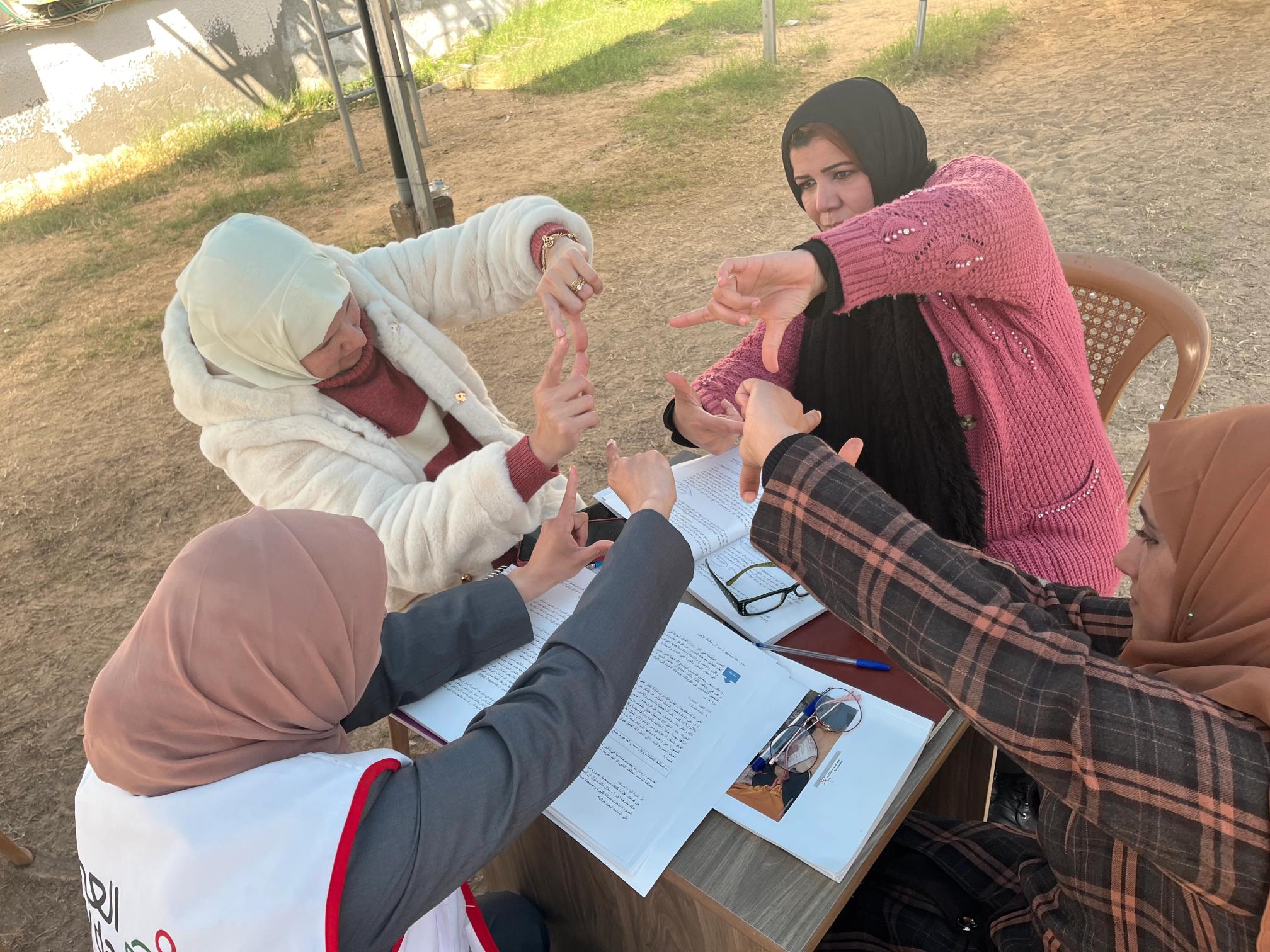
Renewing support for trauma treatment for children affected by warg
More than 473 million children worldwide live in areas affected by conflict, and millions more are affected by disasters such as earthquakes and floods. Most of those who need mental health support never receive it. Kavli Trust is now giving NOK 2 million to Children and War Foundation, which trains local helpers in Nepal, Ethiopia, Palestine and Sudan to provide that help themselves.
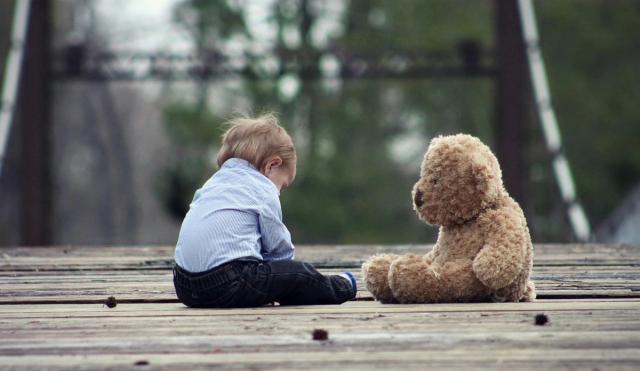
Support for Trauma Treatment for Children Affected by War
The Children and War Foundation aims to ensure that more children receive help to process trauma from war, conflict, natural disasters, and other crises.