An oxytocin treatment trial to improve social skills in youth with autism
Can a nasal spray improve social interaction in adolescents with ASD?
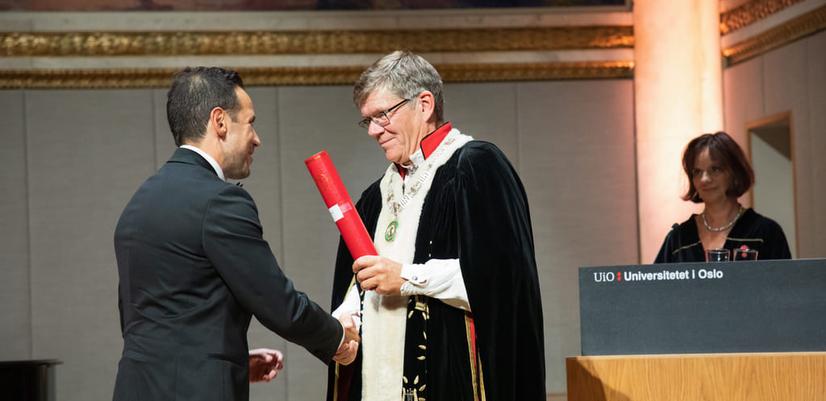
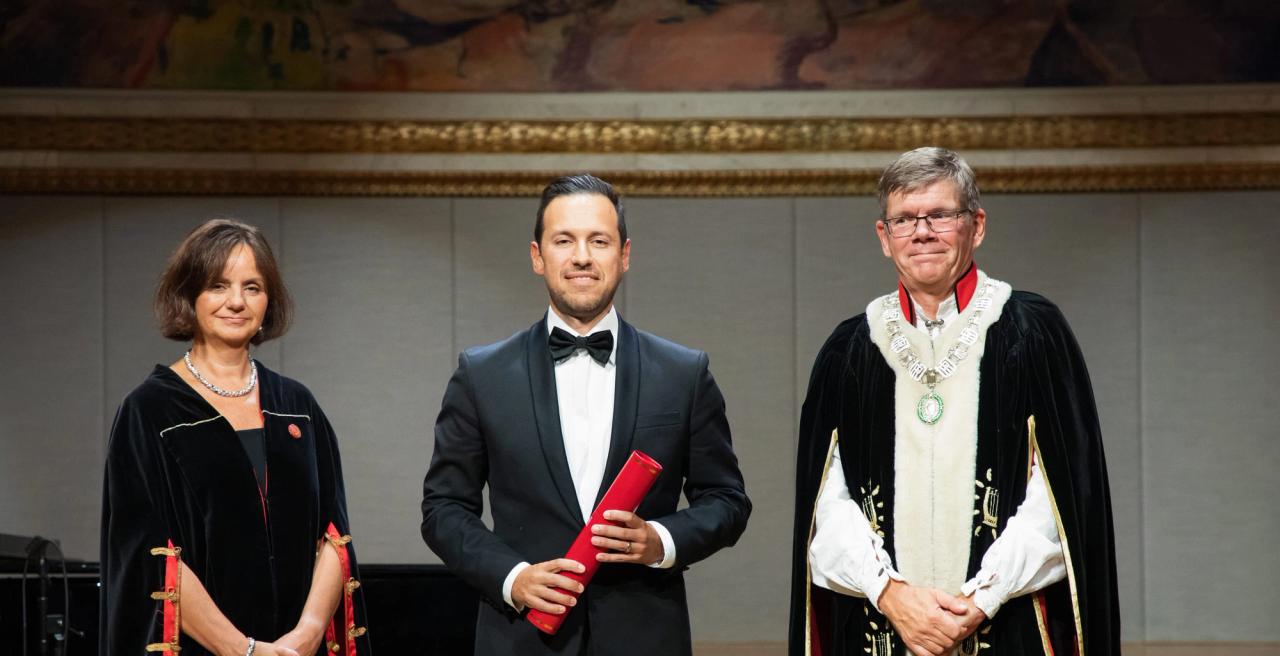
Researcher Daniel Quintana leads a major study on oxytocin and autism in adolescents, funded by Kavli Trust, Researcher Daniel Quintana leads a major study on oxytocin and autism in adolescents, funded by the Kavli Trust—and has received the University of Oslo’s Young Researcher Award for his work on the hormone’s role in physical and mental health.
Kavli Trust
Can a substance in our body improve social interaction for young people with autism?
This project explores whether the hormone oxytocin, administered as a nasal spray, can make it easier for adolescents with autism to understand and interact with others.
Previous studies suggest that oxytocin may influence how we interpret social cues. Researchers now want to find out whether this can also lead to lasting improvements in everyday life—both in social functioning and in repetitive behaviours.
The study includes both boys and girls, which is important for generating findings that apply more broadly.
The goal is to determine whether this type of treatment could become a new addition to better support and improve quality of life for young people with autism.
Awarded grants
5 100 000
NOKRecipient
UIO, Psykologisk institutt
Project
An oxytocin treatment trial to improve social skills in youth with autism
Project period
2021
2025
Awarded grants
5 100 000
NOKPre-registration
Publikasjoner
A multiverse meta-analysis of oxytocin administration studies
Improving Statistical Reporting in Psychology
A Tutorial For Calculating Field-Specific Effect Size Distributions
The effects of oxytocin administration on social and routinized behaviors in autism: A preregistered systematic review and meta-analysis
Effects of oxytocin administration on non-social executive functions in humans: a preregistered systematic review and meta-analysis
The interplay of oxytocin and sex hormones